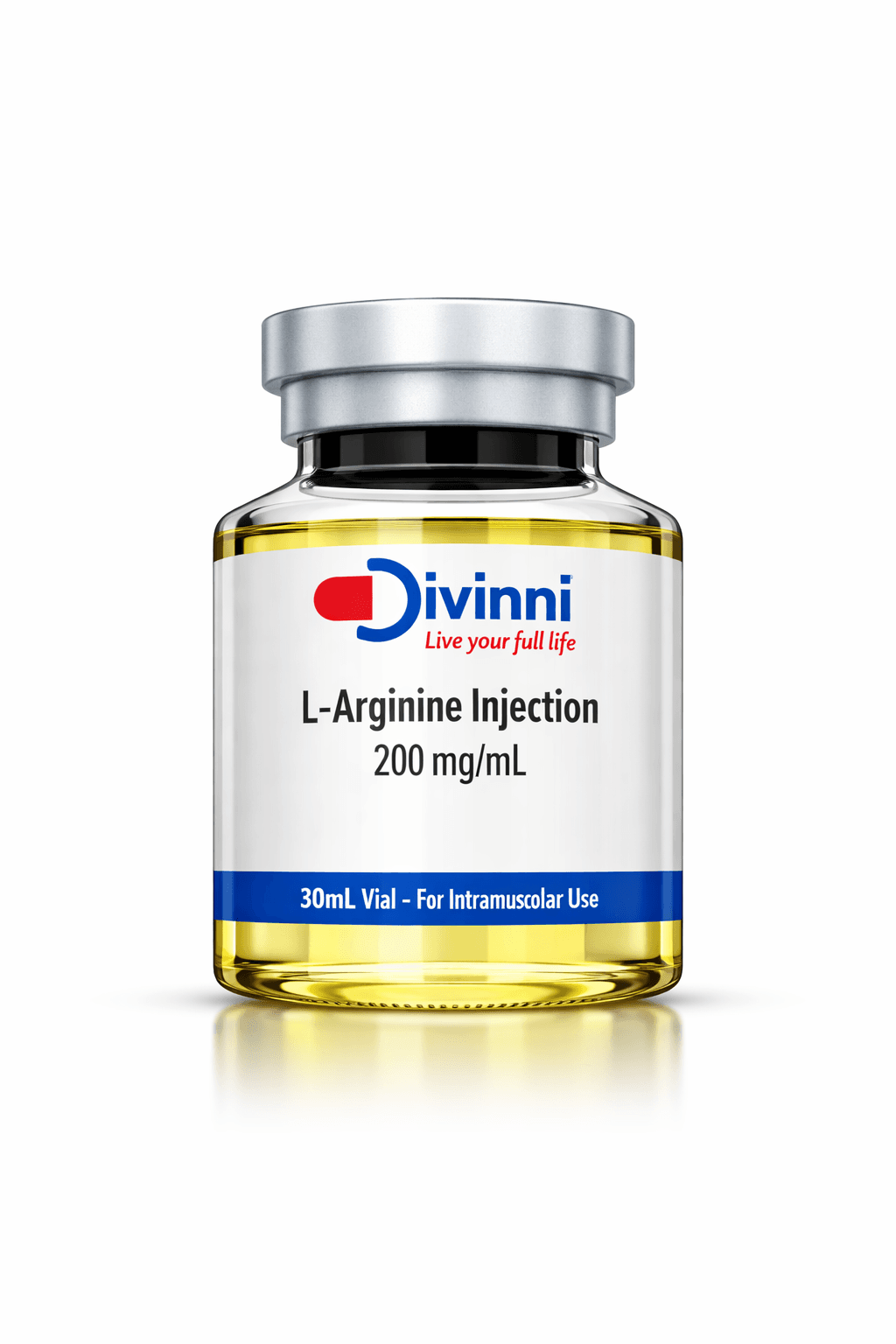
L-Arginine is a semi-essential amino acid that serves as a fundamental building block for proteins in the human body. While the body can produce arginine naturally under normal conditions, supplementation becomes essential during periods of stress, illness, or injury when demand exceeds production capacity .
The most significant biochemical property of L-arginine is its role as the sole precursor to nitric oxide (NO) . Through the action of nitric oxide synthase (NOS) enzymes, arginine is converted into nitric oxide, a critical signaling molecule that relaxes the smooth muscles lining blood vessels. This vasodilation effect increases blood flow and oxygen delivery throughout the body, which forms the basis for many of arginine's therapeutic applications .
Scientific Background
L-Arginine is a semi-essential amino acid that serves as a fundamental building block for proteins in the human body. While the body can produce arginine naturally under normal conditions, supplementation becomes essential during periods of stress, illness, or injury when demand exceeds production capacity .
The most significant biochemical property of L-arginine is its role as the sole precursor to nitric oxide (NO) . Through the action of nitric oxide synthase (NOS) enzymes, arginine is converted into nitric oxide, a critical signaling molecule that relaxes the smooth muscles lining blood vessels. This vasodilation effect increases blood flow and oxygen delivery throughout the body, which forms the basis for many of arginine's therapeutic applications .
L-arginine is naturally abundant in protein-rich foods including red meat, poultry, fish, dairy products, eggs, and seeds. However, dietary intake alone may be insufficient for individuals with certain medical conditions or those seeking therapeutic benefits, making injectable supplementation a viable option .
In clinical settings, arginine is also used as a diagnostic tool to assess pituitary gland function, as it reliably stimulates the release of growth hormone from the pituitary .
Primary Uses and Indications
- The 200mg/ml L-Arginine injection is prescribed for a range of applications, including:
- Cardiovascular Health: By promoting nitric oxide production and subsequent vasodilation, arginine supports healthy blood pressure regulation and overall cardiovascular function. It may be used as part of a comprehensive approach to managing circulatory issues .
- Growth Hormone Stimulation: Arginine stimulates the pituitary gland to produce and release growth hormone, which supports muscle growth, tissue repair, and fat metabolism. This property makes it valuable in both diagnostic testing and therapeutic applications for growth hormone deficiency .
- Athletic Performance and Muscle Support: Through enhanced blood flow and oxygen delivery to working muscles, arginine may improve exercise capacity, reduce fatigue, and support post-exercise recovery .
- Sexual Health: L-arginine plays a role in vascular health that extends to sexual function. By improving blood flow, it may address certain sexual health concerns in both men and women .
- Immune System Support: Arginine contributes to immune function and may help the body defend against various illnesses .
- Wound Healing: When applied topically or administered systemically, L-arginine aids in wound healing by supporting collagen formation and tissue repair .
Health, Wellness, and Longevity Effects
- Vascular Health and Longevity: Endothelial dysfunction—the inability of blood vessels to dilate properly—is a hallmark of aging and a precursor to cardiovascular disease. By supporting nitric oxide production, L-arginine helps maintain endothelial function. Since cardiovascular disease remains the leading cause of mortality worldwide, strategies that support vascular health have direct implications for longevity .
- Metabolic Health: L-arginine can stimulate insulin release, which may influence glucose metabolism. This property has potential implications for metabolic syndrome and type 2 diabetes management, though individual responses vary .
- Growth Hormone and Body Composition: The growth hormone-releasing effect of arginine becomes increasingly relevant with age, as natural growth hormone production declines progressively after young adulthood. By supporting GH secretion, arginine may help counteract age-related changes in body composition, including decreased lean muscle mass and increased adipose tissue .
- Antioxidant Properties: Beyond its role in nitric oxide production, arginine contributes to the body's antioxidant defense systems, protecting cells from oxidative stress—a key driver of the aging process .
Safety, Contraindications, and Side Effects
- Precautions: Special caution is required for individuals with:
Cirrhosis or other liver conditions
- Herpes simplex virus (arginine may antagonize lysine and potentially trigger outbreaks)
Kidney disease
- Surgical Considerations: Because L-arginine affects blood pressure and vascular tone, it should be discontinued at least two weeks prior to scheduled surgery to avoid potential complications .
- Pregnancy and Breastfeeding: The effects of supplemental arginine during pregnancy or breastfeeding are not well understood; caution is advised .
- Common Side Effects:
Hypotension (low blood pressure)
- Drug Interactions: L-arginine can interact with various medications, including blood pressure medications, nitrates, and certain diabetes drugs. A thorough medication review with a healthcare provider is essential before starting therapy .