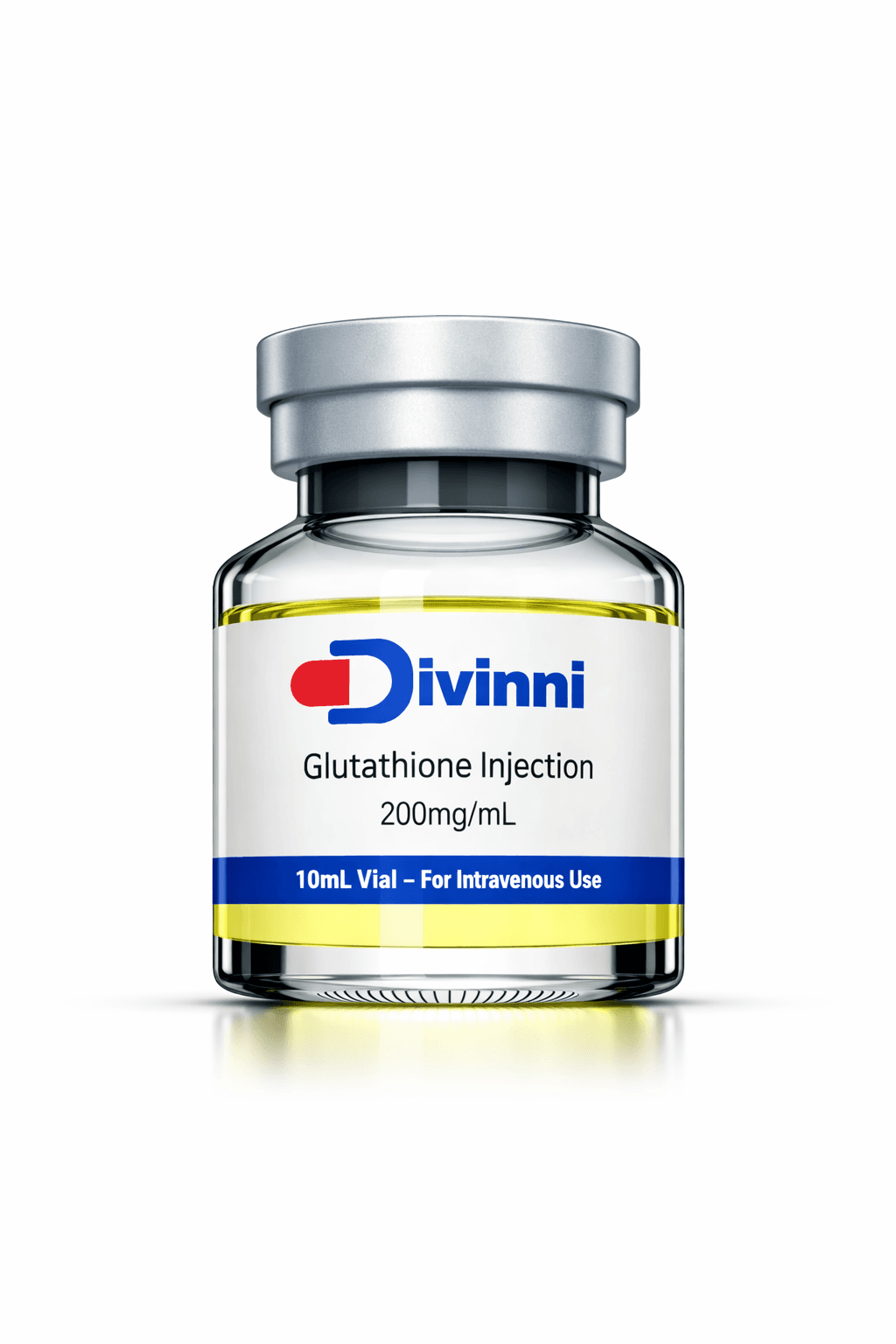
Glutathione levels in the body naturally decline with age but can also be reduced by factors including stress, malnutrition, and environmental toxins. While glutathione is found in foods such as spinach and avocados, it is poorly absorbed by the body when consumed orally, making injection a more effective delivery method for therapeutic purposes.
Oxidative stress is a key driver of the aging process. By neutralizing free radicals and supporting mitochondrial function, glutathione plays a central role in cellular health and longevity. Declining glutathione levels with age are associated with increased susceptibility to age-related diseases. Supplementation may help counteract some of these effects.
Scientific Background
Glutathione levels in the body naturally decline with age but can also be reduced by factors including stress, malnutrition, and environmental toxins. While glutathione is found in foods such as spinach and avocados, it is poorly absorbed by the body when consumed orally, making injection a more effective delivery method for therapeutic purposes.
- Glutathione is a tripeptide composed of three amino acids: cysteine, glycine, and glutamic acid. It is often referred to as the body's "master antioxidant" due to its critical role in protecting cells from oxidative stress and toxins. Unlike most antioxidants, glutathione can be synthesized in the human liver and is found in every cell of the body.
Functions and Mechanisms
- Glutathione has numerous essential functions:
- Mitochondrial function: Vital for energy production within cells
- DNA production: Necessary for synthesizing and repairing DNA
- Toxin removal: Its ability to cross the blood-brain barrier allows it to remove toxins, such as mercury, from the brain and other cells
- Immune support: Key in supporting immune function
- Tissue repair: Involved in tissue building and repair
- Enzyme function: Helps with certain enzyme functions
Primary Uses
- Compounded L-glutathione injections may address symptoms of a wide variety of health issues, including:
Parkinson's disease (intravenous)
- Supplementally, glutathione may be used to address or reduce the risk of:
Health and Wellness Benefits
- Antioxidant Protection: As a powerful antioxidant, glutathione may help fight the effects of free radicals, which cause oxidative stress, damage healthy cells, and contribute to aging and certain degenerative illnesses.
- Detoxification: Glutathione binds to toxins and transforms them into forms that can be excreted through bile or urine. It aids the liver in metabolizing alcohol and other substances.
- Immune Function: Glutathione may improve immune response and help the body defend against various illnesses.
- Metabolic Health: Supplementation may help reduce the amount of fat stored in the abdominal area.
- Skin Health: Glutathione may improve complexion and has been used for its skin-lightening effects.
Longevity Implications
Oxidative stress is a key driver of the aging process. By neutralizing free radicals and supporting mitochondrial function, glutathione plays a central role in cellular health and longevity. Declining glutathione levels with age are associated with increased susceptibility to age-related diseases. Supplementation may help counteract some of these effects.
Safety and Side Effects
- Contraindications:
- Asthma: Glutathione is not recommended for individuals with asthma due to the possibility of increasing symptoms
- Pregnancy/Breastfeeding: There is not enough information on safety; use is not advised
- Drug Interactions: Glutathione may interact with some medications. Patients should list all medications, supplements, or herbal products for their healthcare provider.
- Long-term Use: Some studies have linked long-term consumption of glutathione to lower zinc levels.
- General Tolerance: Glutathione is generally well-tolerated by most adults.
Administration
- Concentration: 200mg/mlRoute of Administration: IV, IM, or SQDosage: As directed by a licensed physician